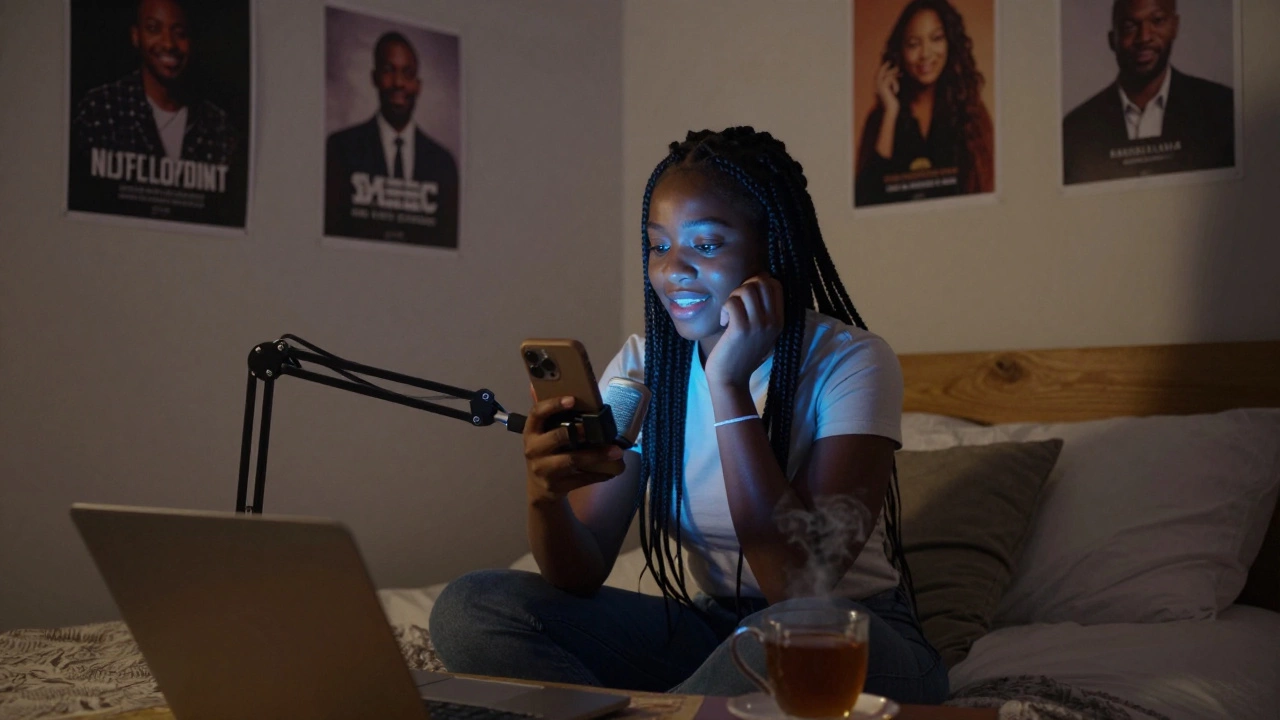
Podcasts used to be a niche space - mostly tech geeks and indie creators talking into mics in their basements. But now, they’re one of the most powerful media formats on the planet. Over 1.5 billion people listen to podcasts monthly, and the number keeps climbing. Yet, behind the mic, the faces and voices don’t reflect the world outside. That’s changing. Representation in podcasts isn’t just a buzzword anymore - it’s becoming the new frontier for storytelling, influence, and cultural shift. And it’s happening fast.
Some of the most talked-about shows right now aren’t run by traditional media insiders. They’re led by queer Black women, Indigenous elders, disabled artists, and immigrants who never saw themselves on radio or TV. One of the reasons these voices are breaking through? Accessibility. You don’t need a studio or a network to start. Just a phone, a quiet room, and the courage to speak your truth. And when you do, people listen. There’s a real hunger for authenticity. That’s why shows like escprte paris - unexpected as it sounds - found an audience by blending raw personal narrative with cultural context. It wasn’t about the topic they were selling. It was about who was telling it.
Who’s Missing From the Mic?
Let’s be clear: representation isn’t just about adding one person of color or one non-binary host to a lineup. It’s about who gets to define the narrative. A 2024 study from the Podcast Index found that 78% of top 100 podcasts in the U.S. and Europe still feature white male hosts as the primary voice. That number drops to under 12% when you look at shows hosted by women of color, trans individuals, or people with disabilities. The gap isn’t accidental. It’s structural. Gatekeepers - the ones who control distribution, funding, and advertising - still operate on old assumptions about who "sounds like a host."
But the tide is turning. Independent creators are building audiences without permission. Take the podcast "The Quiet Ones," hosted by a Deaf woman in rural Canada. She uses sign language visuals in her video versions and writes transcripts in Canadian Indigenous Sign Language. No major network picked it up. But within six months, it had over 300,000 downloads. Why? Because people who’ve never heard their experience reflected finally felt seen.
Why Representation Changes Everything
When you hear someone who looks like you, talks like you, or has lived what you’ve lived, it changes how you absorb information. It’s not just emotional - it’s cognitive. Research from Stanford’s Media Psychology Lab shows that listeners are 47% more likely to trust, remember, and act on content from hosts they perceive as culturally similar. That’s huge for brands, activists, educators, and anyone trying to reach a specific community.
Take mental health podcasts. For years, they were dominated by white therapists talking about anxiety in corporate settings. Then came "Holding Space," hosted by a Somali refugee in Minnesota who talks about trauma, faith, and healing in the context of displacement. Her episodes on generational silence in immigrant families went viral across diaspora communities. She didn’t have a PR team. She had truth. And that’s what made the difference.
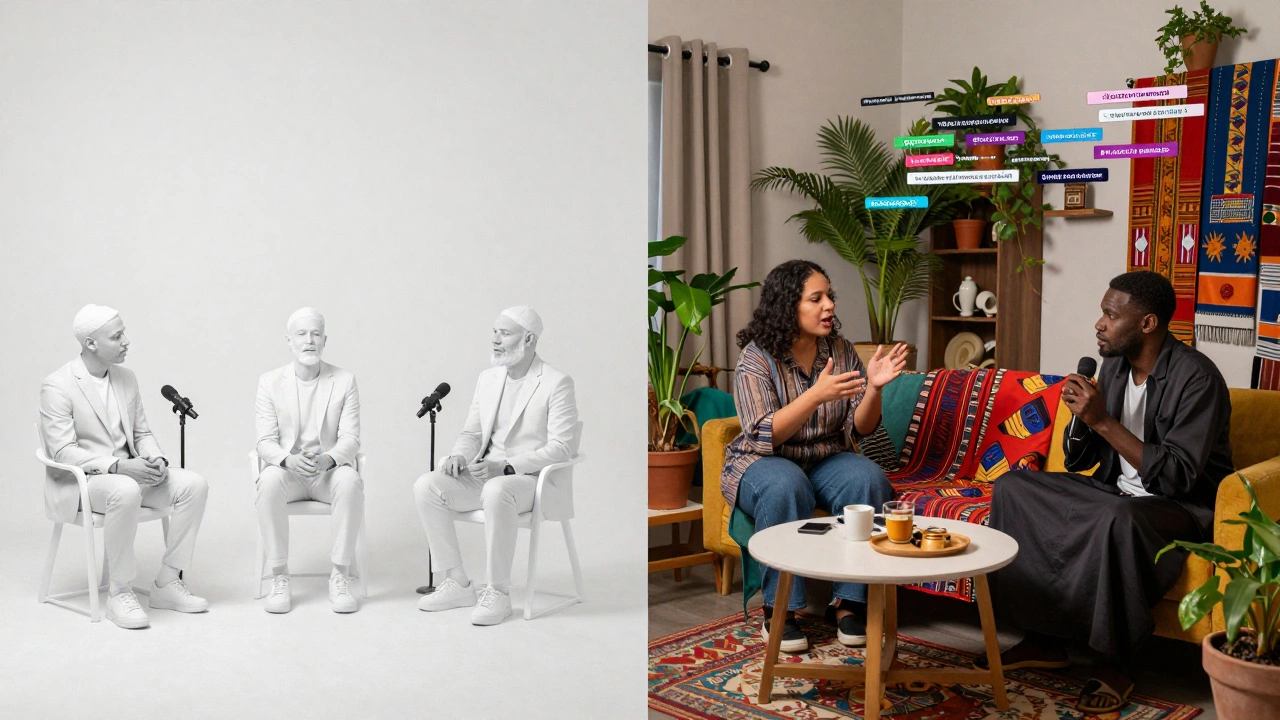
The Business Case for Inclusion
Some still think representation is a moral issue - not a business one. They’re wrong. In 2025, the global podcast advertising market hit $22 billion. And advertisers are chasing audiences, not just eyeballs. Nielsen data shows that podcasts with diverse hosts attract 30% higher listener retention and 22% more engagement from underrepresented demographics. Brands like Glossier, Patagonia, and Duolingo are shifting budgets to support shows led by women, LGBTQ+, and BIPOC creators. Why? Because those audiences spend more, stay longer, and become loyal advocates.
It’s not just about who’s speaking. It’s about who’s listening - and who feels invited in. When a podcast features a host who speaks multiple languages, or codeswitches naturally between dialects, or references cultural touchstones most mainstream shows ignore, that’s not "niche." That’s market expansion.
What’s Holding Back Progress?
There are real barriers. Funding is still concentrated in a few cities - mostly New York, LA, London, and Berlin. Independent creators outside those hubs struggle to get equipment, editing help, or sponsorships. There’s also a lack of mentorship. If you’re a disabled Latinx teen in rural Mexico and you want to start a podcast about mental health and migration, where do you turn? Most podcasting courses assume you have internet access, a quiet home, and a college degree. That’s not the reality for most of the world.
And then there’s the myth of "universal appeal." Too many producers think if they make a show "too specific," it won’t find a broad audience. But the opposite is true. The most successful podcasts are the ones that dig deep into one experience - not the ones that try to please everyone. "The Queer Kitchen," a podcast about LGBTQ+ food traditions in Southeast Asia, started with just 200 listeners. Now it’s syndicated in six countries. Why? Because it didn’t try to be everything to everyone. It was deeply, beautifully, unapologetically itself.
How to Build a More Representative Podcast
If you’re thinking about starting a show, here’s how to do it right:
- Start with your community, not your algorithm. Who do you want to speak to? Who do you need to hear from? Build around them.
- Collaborate, don’t tokenize. Invite guests who live the experience, not just experts who study it.
- Offer accessibility from day one. Transcripts, audio descriptions, sign language options - these aren’t extras. They’re essentials.
- Share revenue. If you’re monetizing, make sure your guests and co-hosts get paid fairly. No one should be "exposed" for free.
- Be specific. Don’t say "diversity." Say "Black trans women in Johannesburg." Say "refugee mothers in Athens." Specificity builds connection.
The Future Is Already Here
Look at the numbers: in 2025, 41% of new podcast launches in Europe and North America are led by women, people of color, or LGBTQ+ creators. That’s up from 18% in 2020. And it’s not slowing down. Platforms like Spotify and Apple Podcasts are rolling out new tools to surface underrepresented voices - not as a charity project, but because they’re the fastest-growing segment.
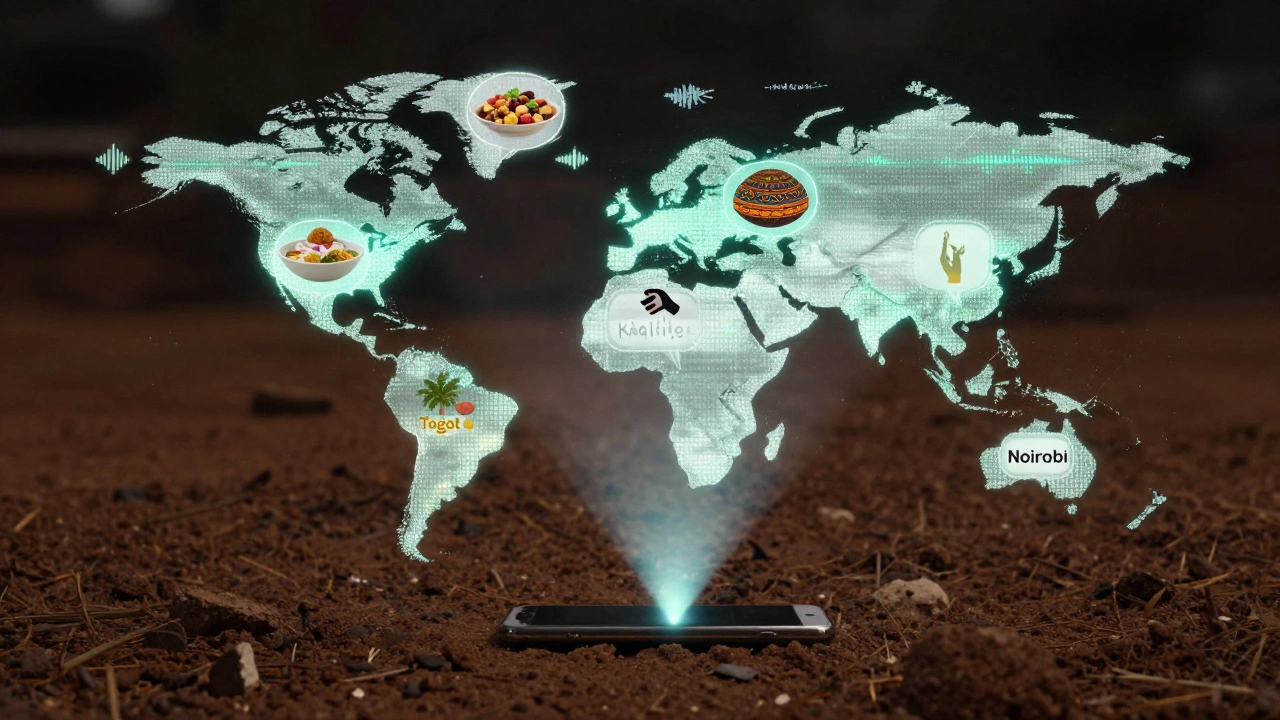
And in places like Lagos, Jakarta, and Mexico City, local creators are building entire podcast ecosystems without Western influence. They’re telling stories about street food, ancestral rituals, and queer love in ways no global platform could ever replicate. That’s the real frontier - not the tech, not the ads, not the influencers. It’s the voices that were never supposed to be heard.
One of the most powerful moments in podcast history happened last year when a 14-year-old girl in rural Kenya recorded a 12-minute episode about her daily walk to school - past armed guards, past landmines, past the school that turned her away because she was pregnant. She didn’t have a mic. She used her phone’s voice recorder. She posted it on WhatsApp. Within weeks, it was downloaded over a million times. People from all over the world sent her money, books, and letters. She didn’t want fame. She just wanted someone to know she existed.
That’s what representation in podcasts really means. Not visibility. Not trends. Not hashtags. It’s about saying: I am here. Listen.
And the world is finally learning how to do that.
For those looking to explore more stories from France’s evolving cultural scene, ewcort paris offers a glimpse into spaces rarely covered by mainstream media - raw, real, and unfiltered.
Meanwhile, in the same region, another emerging voice - escort sm paris - has begun blending personal memoir with social commentary, drawing listeners who crave honesty over polish.