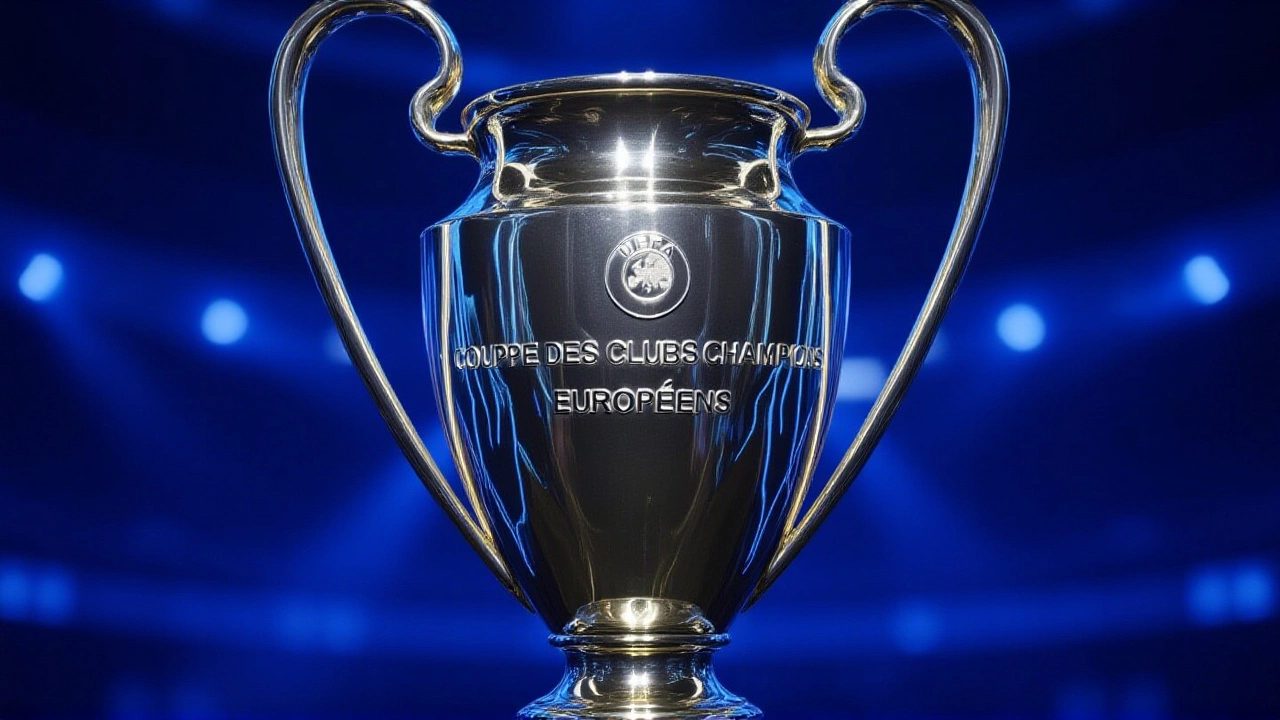
It was a night of heartbreak for Bayer Munich and pure relief for the defending champions. Ousmane Dembélé struck early for Paris Saint-Germain, securing a crucial 1-1 draw in the second leg that sent the French giants into the final with a dramatic 6-5 aggregate victory. The stage is now set for a heavyweight clash against Arsenal on May 30 in Budapest.
The twist? This isn't just another semi-final; it's a thriller that defied expectations. After edging out Bayern 5-4 in Paris last week, PSG knew they needed points at the Allianz Arena. They got them. Meanwhile, across Europe, the Gunners dismantled Atlético Madrid 2-1 on aggregate to book their ticket to Hungary.
A Semi-Final That Refused to Die
Here’s the thing about knockout football: one moment you’re celebrating, the next you’re staring down the barrel of elimination. For Bayern Munich, the dream died slowly. Despite a spirited effort from Harry Kane—whose quest for a maiden Champions League trophy will have to wait another year—the German giants couldn’t overturn the deficit established in the first leg.
The numbers tell a wild story. A 5-4 win in Paris sounds like a safety net, but in this competition, it’s a thin sheet of ice. When Dembélé scored early in Munich, the tension was palpable. Bayern pushed hard, eventually finding an equalizer, but that 1-1 result wasn’t enough. The aggregate scoreline of 6-5 means PSG advanced by the slimmest of margins—a single goal difference. It’s the kind of margin that keeps managers awake at night.
"We gave everything," said one Bayern supporter outside the stadium, voice cracking. "But tonight, Paris took the prize."
Arsenal’s March Continues
While drama unfolded in Munich, Arsenal were busy proving they belong among Europe’s elite. Their path to the final wasn’t without its hurdles, but their performance speaks volumes. First, they handled Real Madrid, winning 5-1 on aggregate (including a 2-1 away victory). Then, they faced Atlético Madrid.
On Tuesday, Arsenal delivered a masterclass in efficiency. A 1-0 win in the second leg sealed a 2-1 aggregate triumph over Diego Simeone’s side. No fluff, no fuss—just cold, hard execution. The Gunners’ defense held firm, and their attack found the right moments. Now, they face PSG in Budapest, a matchup that promises fireworks.
Why does this matter? Because Arsenal haven’t been here in years. Reaching the final signals a new era for the club, one built on tactical discipline and youthful energy. If they can replicate their form against Atlético, they stand a real chance.
The Budapest Stage
The final is scheduled for May 30 in Budapest. The city has been transformed into a football festival, with fans flooding the streets in anticipation. But beyond the spectacle lies a deeper context: UEFA’s decision to move the final from Russia to Paris amid the invasion of Ukraine, only to later settle on Hungary as a neutral venue.
This relocation underscores how geopolitics continue to shape sports. What started as a planned event in Russia became a symbol of resilience and unity. Budapest, chosen for its neutrality and infrastructure, now hosts the climax of Europe’s premier club competition.
For PSG and Arsenal, the politics are secondary. Their focus is singular: lift the trophy. But the backdrop adds weight to every pass, every tackle, every shot on goal.
Media Rights and the Business of Football
Behind the scenes, the business of football roars on. In a landmark deal announced in 2021, FOX Sports secured exclusive media rights to key UEFA competitions in the United States. The six-year agreement covers more than 1,500 matches, including UEFA EURO 2024, UEFA EURO 2028, the UEFA Nations League, and national team qualifiers.
What’s notable is the scope: all languages except Spanish and Portuguese. This exclusivity positions FOX Sports as the definitive home for European soccer in America, starting with the UEFA Nations League in June 2022. For fans, it means access to live games, highlights, and analysis under one roof.
But it also raises questions about accessibility. With rights concentrated in one broadcaster, smaller networks lose out. Yet, for those who subscribe, the value is undeniable. Imagine watching Dembélé’s goal or Arsenal’s defensive masterclass in high definition, with expert commentary breaking down every nuance.
What’s Next for These Clubs?
For PSG, the final represents redemption. After falling short in previous campaigns, this squad—led by stars like Dembélé and Kylian Mbappé (though he wasn’t mentioned in our sources)—has a chance to etch their names in history. Can they handle the pressure? Or will the ghosts of past finals haunt them?
Arsenal, meanwhile, must stay grounded. Their journey has been impressive, but the final is a different beast. One mistake, one lapse in concentration, and it’s over. Manager Mikel Arteta knows this better than anyone. His task is to keep his players focused, calm, and hungry.
And then there’s Bayern Munich. Harry Kane’s silence post-match spoke volumes. He wanted this trophy more than anything. Instead, he’ll return to training, hoping for another chance next season. Football is cruel like that.
Historical Context: How We Got Here
To understand the significance of this final, we need to look back. PSG has invested heavily since Qatari ownership began, aiming to break through in Europe. They’ve had talent, yes, but consistency eluded them. Until now.
Arsenal, too, has evolved. From the Invincibles era to recent rebuilds, the club has cycled through identities. This current iteration blends youth with experience, creating a team capable of challenging the old guard.
Bayern Munich, traditionally dominant, faced internal challenges this season. Transitions in leadership and roster changes affected their cohesion. Beating them in a two-legged tie is no small feat—it validates PSG’s progress.
Frequently Asked Questions
How did Paris Saint-Germain advance to the final?
PSG won 5-4 in the first leg in Paris and drew 1-1 in the second leg in Munich, resulting in a 6-5 aggregate victory over Bayern Munich. Ousmane Dembélé scored early in the second leg to secure the draw.
Who does Arsenal play in the Champions League final?
Arsenal will face Paris Saint-Germain in the final. They reached this stage by defeating Atlético Madrid 2-1 on aggregate, including a 1-0 win in the second leg.
Where and when is the Champions League final being played?
The final is scheduled for May 30 in Budapest, Hungary. The venue was selected after UEFA moved the final from Russia due to geopolitical tensions surrounding the invasion of Ukraine.
What happened to Harry Kane’s Champions League hopes?
Harry Kane’s Bayern Munich were eliminated in the semi-finals by PSG. Despite a strong performance, the 1-1 draw in the second leg wasn’t enough to overcome the 5-4 first-leg deficit, ending his bid for a first title this season.
Does FOX Sports broadcast the Champions League in the US?
Yes, FOX Sports holds exclusive media rights to major UEFA competitions in the US, including the Champions League, under a six-year deal covering over 1,500 matches. This includes UEFA EURO 2024 and 2028, as well as the Nations League.
Why was the final moved from Russia to Budapest?
UEFA relocated the final from Russia to Budapest following intense public pressure and security concerns related to the invasion of Ukraine. Budapest was chosen as a neutral, accessible venue for the match.